
How to Prepare Your Lawn for Spring After a Pretoria Winter
Winter can leave a Pretoria lawn looking brown, thin and tired. Follow these practical spring lawn preparation steps to encourage healthy growth and get your garden ready for summer.
Categories:
Date Posted:
August 28, 2026
Winter can be surprisingly tough on a Pretoria lawn. The days may still be sunny, but cold nights, frost, dry air and weeks of slower growth can leave the grass looking thin, brown and rather sorry for itself. By the end of August, many homeowners are itching to bring out the lawnmower, fertiliser and hosepipe and attack the problem all at once.
A little enthusiasm is good. Too much enthusiasm, too early, can make matters worse.
Spring lawn preparation is less about forcing your lawn to become green overnight and more about creating the right conditions for healthy growth. Your grass needs warmer soil, consistent moisture, oxygen around the roots and enough nutrition to recover from winter. Get those basics right and the lawn will usually respond beautifully.

First, Make Sure Winter Is Actually Finished
Pretoria is famous for spring days that feel like summer, followed by a cold snap that reminds everyone not to pack away the blankets just yet. One warm weekend doesn’t mean the growing season has officially started.
Warm-season lawn varieties, including Kikuyu and LM grass, slow down or become dormant during winter. They begin growing actively again when soil temperatures rise and the risk of severe frost starts to pass. If you cut the lawn too low or apply strong fertiliser before active growth begins, the grass may struggle to use those nutrients effectively.
Watch the lawn itself. Fresh green shoots and steady new growth are better indicators than the calendar. In many Pretoria gardens, the main spring preparation period begins around late August or early September, although colder areas may need another week or two.

Clear Away Winter’s Leftovers
Start with a proper clean-up. Remove fallen leaves, sticks and any other debris that has collected on the lawn. Leaves can block sunlight and trap moisture against the grass, creating ideal conditions for fungal problems.
A firm rake will also lift loose, dead grass and expose the soil beneath the lawn. Don’t be alarmed if the lawn looks slightly rough after raking. That temporary scruffiness allows more sunlight, water and air to reach the base of the grass.
If the lawn has developed a thick, spongy layer between the green grass and the soil, it may have too much thatch. A small amount of thatch is normal, but a dense layer can prevent water and nutrients from reaching the roots. Light dethatching can help, provided the grass has started growing and is healthy enough to recover.
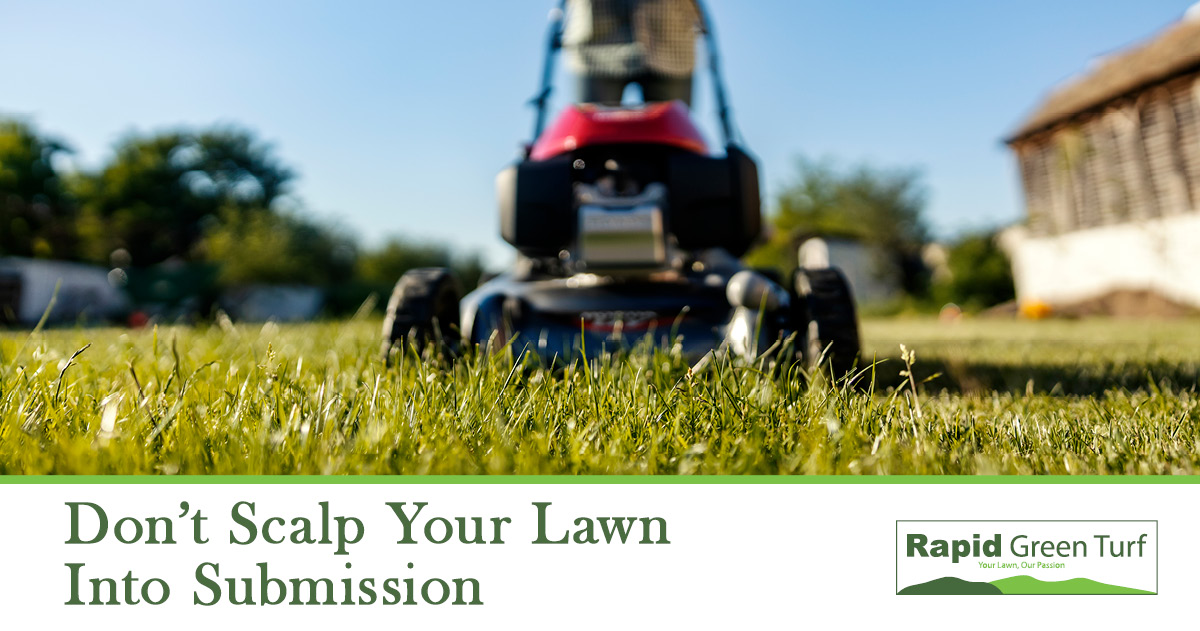
Don’t Scalp Your Lawn Into Submission
A very low first cut may feel like a fresh start, but scalping can expose the soil, weaken the grass and make it easier for weeds to move in. It can also remove the green parts of the plant that are needed for photosynthesis and recovery.
Begin with a normal cut using sharp mower blades. Follow the one-third rule, which means never removing more than one-third of the grass blade in a single mowing session. If the lawn has become long and untidy, reduce the mowing height gradually over two or three cuts.
Kikuyu can generally handle a shorter cut than LM grass. LM grass prefers a little more leaf cover, especially in partly shaded areas. Cutting every lawn at the same height is a bit like buying one pair of shoes for the whole family. Someone is going to be uncomfortable.
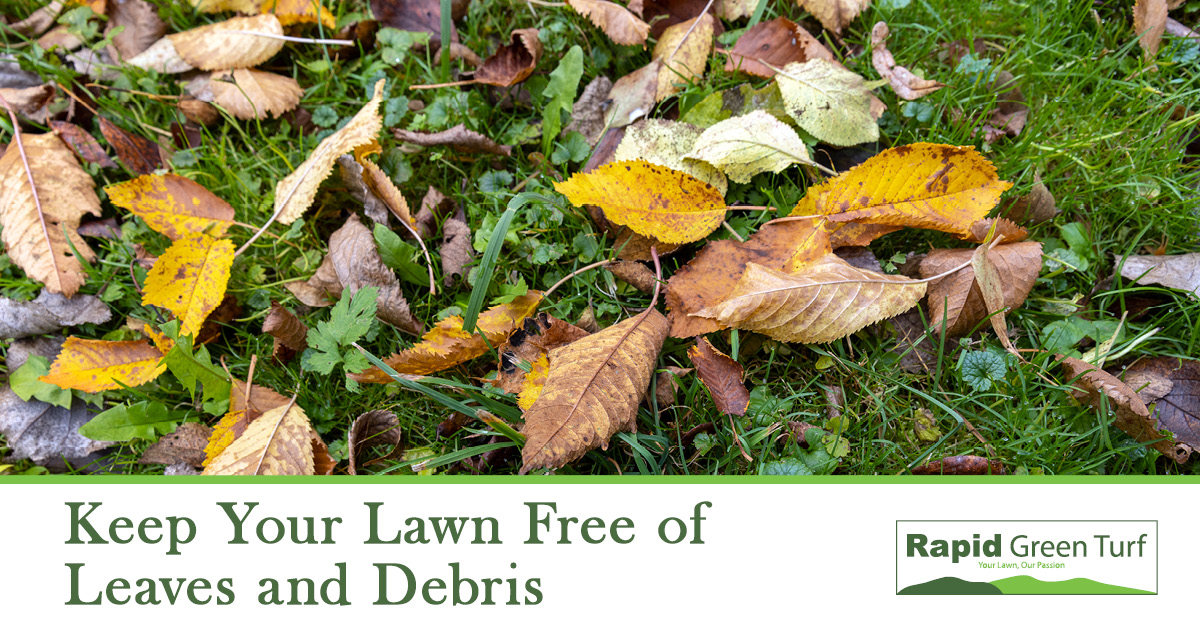
Keep Your Lawn Free of Leaves and Debris
Winter gardens often accumulate leaves, twigs, and other organic matter.
While a few leaves scattered across the lawn might seem harmless, allowing debris to build up can create several problems.
A layer of leaves can:
- Block sunlight
- Restrict airflow
- Trap excess moisture
- Encourage fungal diseases
Kikuyu may be dormant, but it still benefits from exposure to sunlight during winter.
Regularly raking or blowing away debris keeps the lawn healthy and prevents small problems from becoming larger ones later in the season.
A clean lawn also gives your garden a well-maintained appearance, even during the quieter months of the year.

Aerate Soil That Has Become Hard and Compacted
Compacted soil is common in well-used gardens. Children, dogs, garden furniture and regular foot traffic press the soil particles together, leaving less room for air and water around the roots. The lawn may remain thin even when it receives plenty of water and fertiliser.
You can test for compaction by pushing a garden fork or screwdriver into the soil. If it requires serious effort, the roots are probably having the same problem.
Aerate compacted sections by making holes with a garden fork or using a lawn aerator. Focus on paths, play areas and spots where water tends to pool. Aeration helps oxygen, water and nutrients move deeper into the root zone. It also encourages stronger root development before the hotter part of summer arrives.
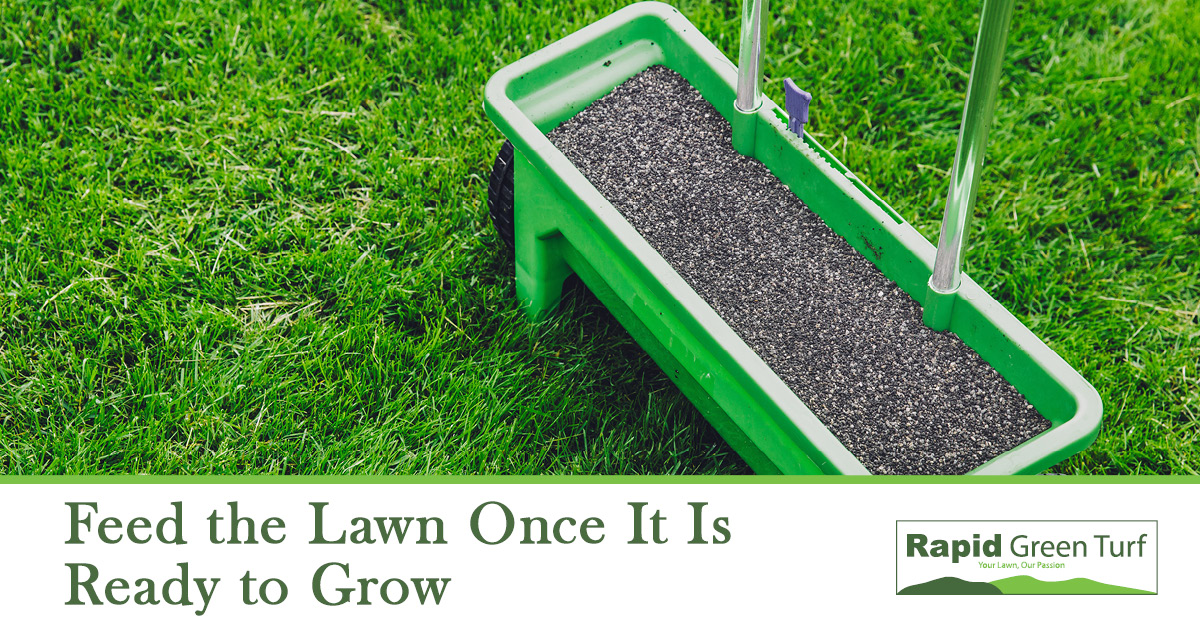
Feed the Lawn Once It Is Ready to Grow
A lawn recovering from winter needs nutrition, but timing matters. Apply a suitable lawn fertiliser once you can see active spring growth. Always follow the product instructions, as doubling the recommended amount won’t give you a lawn twice as green. It may simply burn the grass.
Spread fertiliser as evenly as possible. Uneven application can create dark green stripes, pale patches or damaged areas. Water the lawn after feeding unless the product label says otherwise.
Healthy growth depends on more than fertiliser. Soil condition, drainage, sunlight and watering habits all play a part. If one section of the garden refuses to improve, the problem may be deep shade, compacted soil or poor drainage rather than a lack of food.
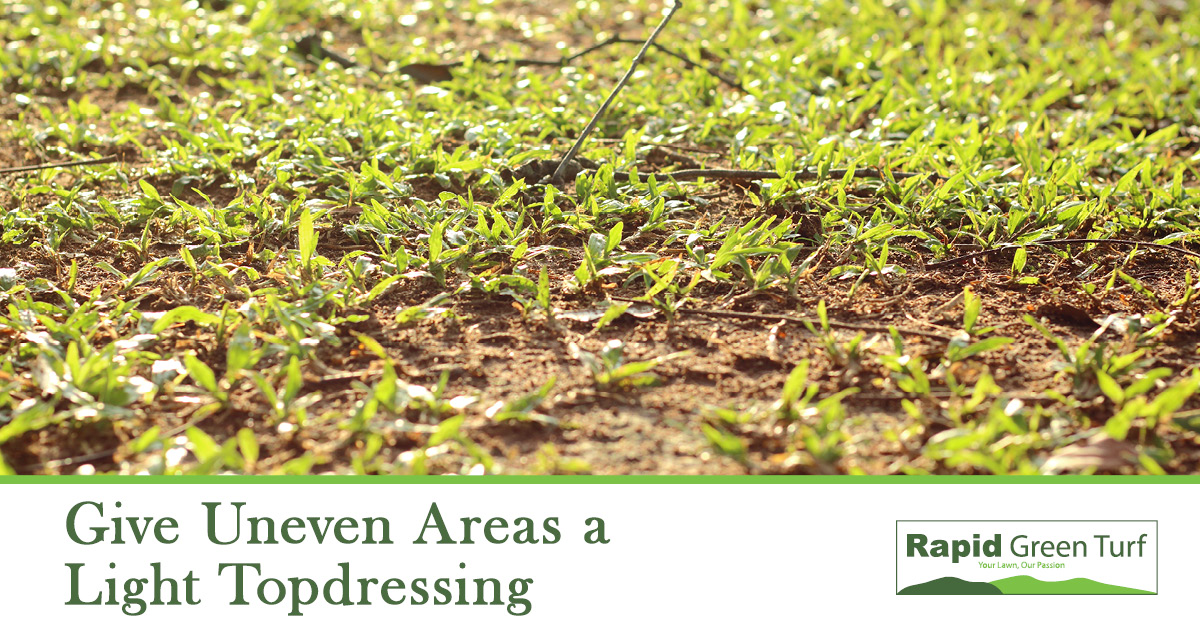
Give Uneven Areas a Light Topdressing
Spring is a good time to correct shallow dips, improve tired soil and encourage grass to spread into sparse areas. Apply a thin layer of suitable lawn dressing across the surface, then work it gently between the grass blades with the back of a rake.
Don’t bury the lawn under a mountain of soil. Most of the grass blades should remain visible. A heavy layer can smother existing grass and leave you with an expensive patch of mud.
Deeper hollows should be repaired gradually. Add a little soil at a time and allow the grass to grow through before adding more. If an area is badly damaged or completely bare, it may be quicker and more reliable to repair it with fresh instant lawn.
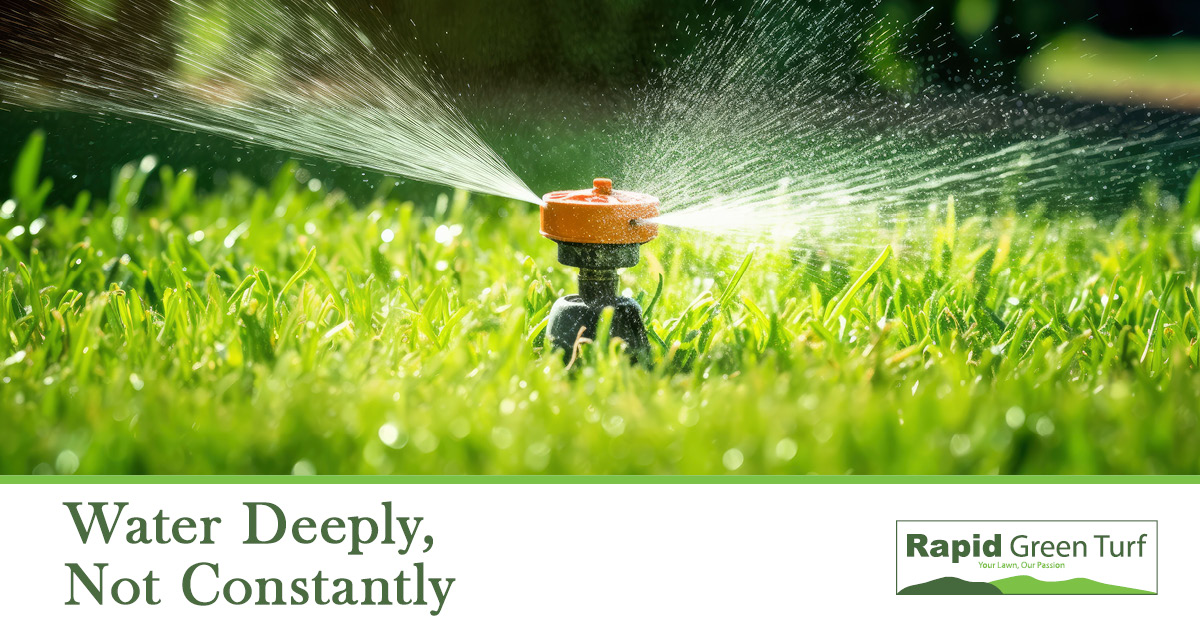
Water Deeply, Not Constantly
Winter watering is often reduced because the lawn isn’t growing actively. As temperatures rise, you can gradually increase watering, but avoid turning the garden into a wetland.
Deep, less frequent watering encourages grass roots to grow down into the soil. Light daily sprinkling often keeps the roots close to the surface, where they dry out quickly during hot weather.
Water early in the morning whenever possible. This reduces evaporation and gives the lawn time to dry during the day. Evening watering can leave the grass wet overnight, which may encourage fungal growth.
Check the soil before automatically switching on the irrigation system. Different sections of the garden may dry at different rates, particularly where there’s shade, a slope or reflected heat from paving.
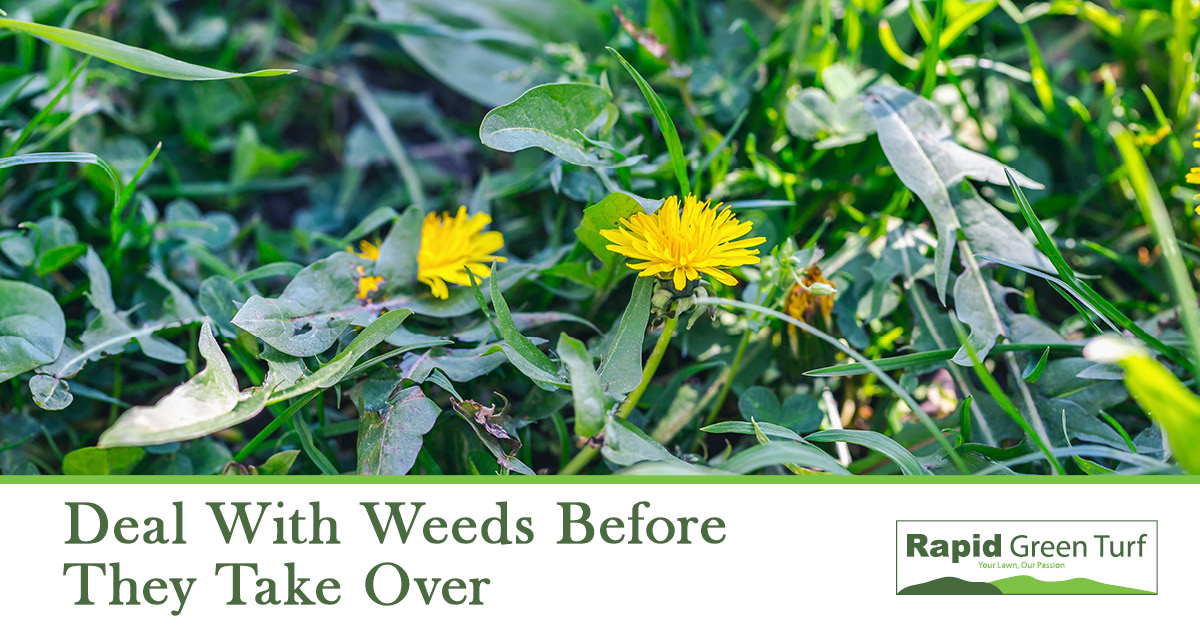
Deal With Weeds Before They Take Over
Weeds often appear before the lawn has fully recovered. They use open spaces, weak grass and bare soil as an invitation to settle in.
Small weed outbreaks can often be removed by hand, especially when the soil is slightly damp. Make sure you remove the roots where possible. For larger infestations, use a selective lawn weed treatment that is suitable for your grass variety.
Be careful with herbicides. A product that is safe for one lawn variety may damage another, and some treatments shouldn’t be applied during very hot weather or while the grass is stressed. Read the label properly and keep children and pets away for the recommended period.
The best long-term defence against weeds is a thick, healthy lawn. Dense grass shades the soil and leaves fewer open spaces for weed seeds to germinate.
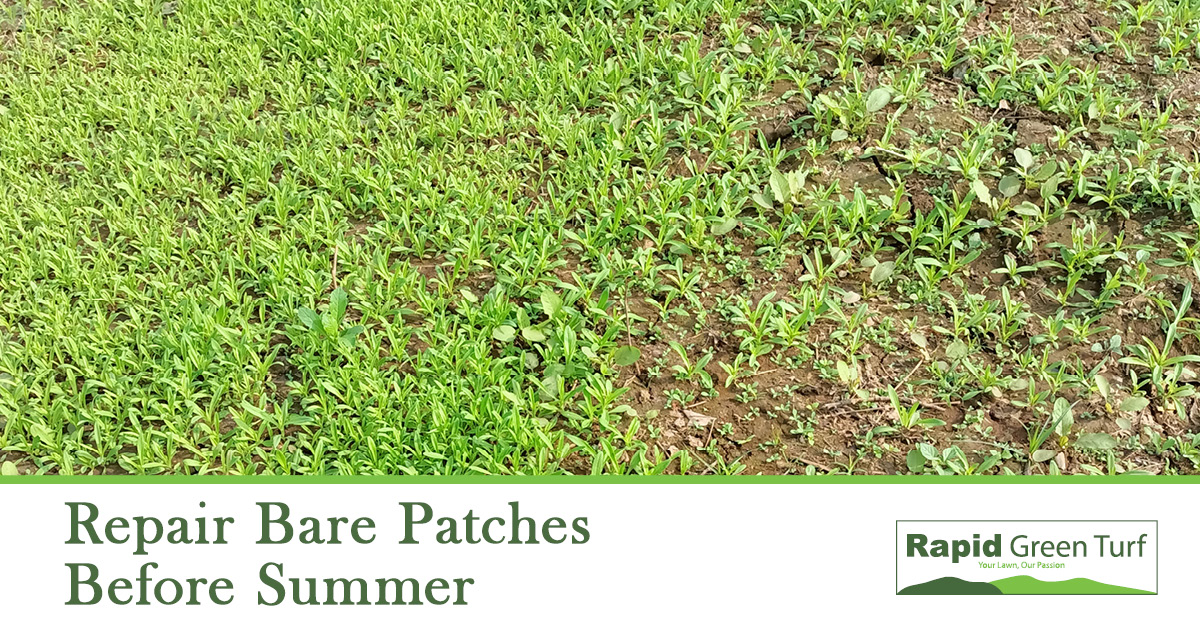
Repair Bare Patches Before Summer
Bare areas rarely repair themselves if the underlying problem remains. Before replacing the grass, check why the patch developed. Common causes include heavy foot traffic, pet damage, poor soil, deep shade, irrigation problems and waterlogging.
Loosen compacted soil, improve the level and add suitable topsoil where necessary. You can then repair the area with pieces of instant lawn that match your existing grass variety.
Keep newly laid sections consistently moist while the roots establish. Moist doesn’t mean flooded. The soil should remain damp enough to support new root growth without becoming soft and waterlogged.

Check Your Irrigation System
A sprinkler that worked perfectly last summer may now be blocked, damaged or pointing directly at the driveway. Before the hot weather arrives, run each irrigation zone and inspect the coverage.
Look for:
- Blocked or broken sprinkler heads
- Dry patches between watering zones
- Water spraying onto paving or walls
- Leaking pipes and permanently wet soil
- Sprinklers hidden by overgrown plants
A small adjustment now can save water and prevent mysterious brown patches later. It also reduces the temptation to water the entire garden for longer just because one corner isn’t receiving enough.

Should You Replace or Repair the Lawn?
A tired lawn doesn’t always need to be replaced. If most of the grass is still healthy, seasonal feeding, aeration, topdressing and patch repairs may be enough.
Replacement becomes worth considering when large sections are bare, the wrong grass variety was planted for the available sunlight, or the lawn has become overwhelmed by weeds and poor soil conditions. Installing fresh instant lawn provides immediate coverage and gives the garden a clean, even appearance.
Choosing the right grass matters just as much as preparing the soil. Some varieties thrive in full Pretoria sun, while others cope better with partial shade. Installing sun-loving grass in a dark corner will create an ongoing battle, no matter how faithfully you water and feed it.
A Strong Spring Lawn Starts With Good Preparation
The first green shoots of spring can make anyone eager to get the garden looking its best. Take the process step by step. Clear away debris, mow carefully, improve compacted soil, apply a light topdressing, feed at the right time and adjust watering as the weather warms.
If the existing lawn is too badly damaged to recover, fresh instant lawn can give your garden the restart it needs. Rapid Green Turf supplies quality instant lawn and can help you choose a suitable option for your Pretoria property.
For advice, pricing or instant lawn orders, contact Dewald on +27 76 789 2813.